
Agentic ALPR That Enters Every Plate into Weighbridge Software Automatically
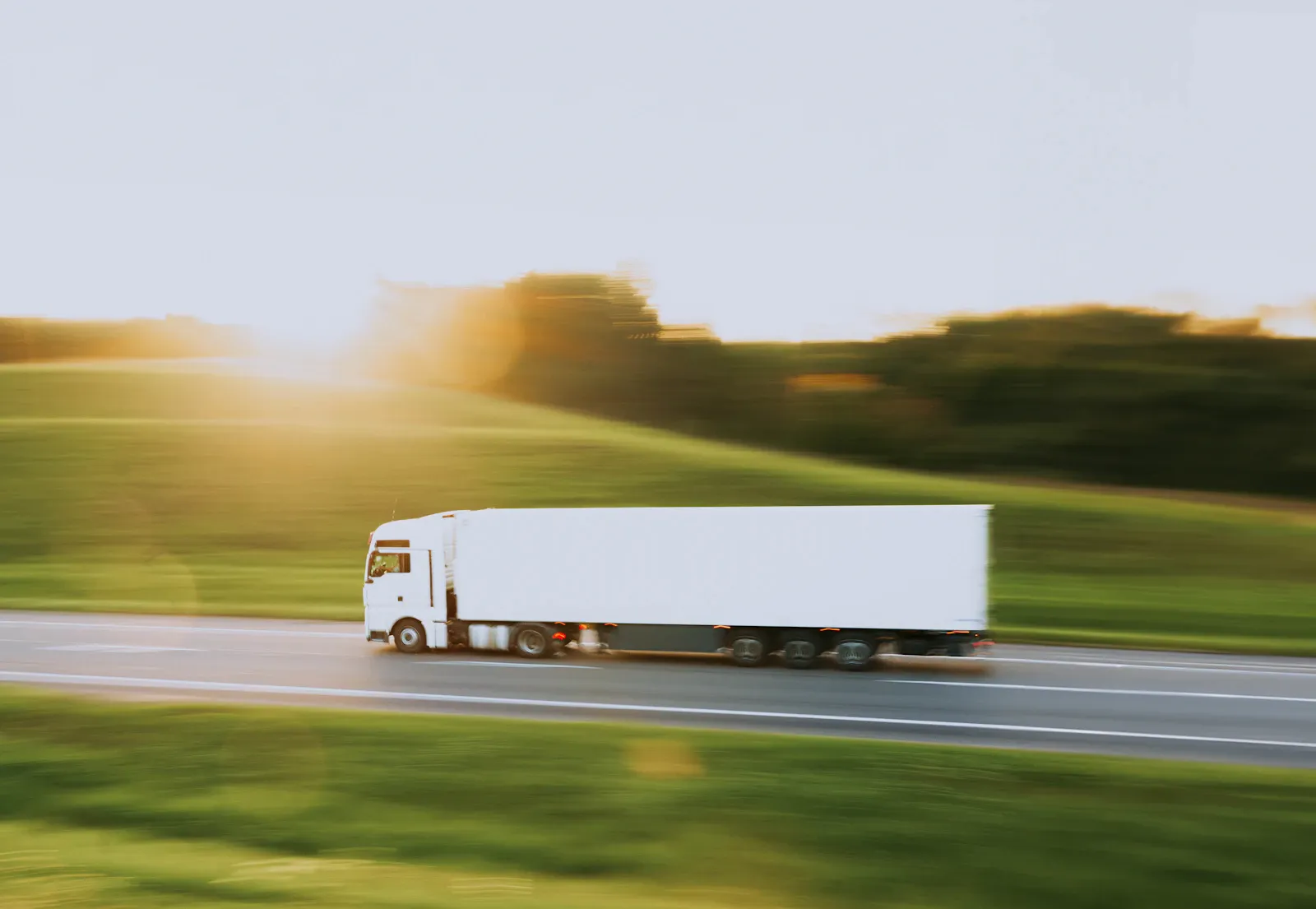
Folio3 AI built an on-premise agentic ALPR system for a UK weighbridge operator: an AI agent reads each plate, queues it and enters it into the existing weighbridge software, so no registration is typed by hand.
Key results
0
Registrations typed by hand
On-site
Video and plate data stay on the client's servers
Front + rear
UK plates read in current and older formats
Engagement: Folio3 AI built an on-premise agentic ALPR solution for MVVUK that works inside the client's existing weighbridge software.
Summary
MVVUK, a UK weighbridge operator, no longer types vehicle registrations by hand. Folio3 AI built an agentic ALPR (automatic license plate recognition) solution: an AI agent that watches the camera feed, reads each number plate and puts it into a workflow. The agent then enters the plate into the weighbridge software in the client's browser on its own and pulls up the matching vehicle record. The weighbridge software itself did not need to change.
At a glance
| Client | MVVUK |
| Region | United Kingdom |
| Problem | Vehicle registrations typed manually into weighbridge software for every weighing |
| Solution | Agentic ALPR: an AI agent that reads each plate, runs it through a workflow and enters it into the client's system on its own |
| Deployment | On-premise, running on the client's existing camera feed |
| Plates covered | Front and rear UK plates, current and older formats |
| Core stack | FastAPI, Ultralytics YOLOv8, PaddleOCR, Microsoft Edge extension |
Why was plate entry a problem?
Every vehicle crossing the weighbridge had to be matched to a record by keying its registration into a search field. Manual entry slowed each weighing and left room for typos that pull up the wrong record.
Any fix had to work within tight limits:
- No change to the weighbridge software: The existing system had to stay as it was, so the agent had to work through its browser interface, the same way a person does.
- Real-time reads: A plate had to be read and entered by the time the vehicle was on the weighbridge, which ruled out heavy models.
- UK plate formats: The agent had to read front and rear plates in both current and older UK registration formats.
- On-premise processing: Video and plate data had to stay on the client's own infrastructure.
- A fixed camera angle: Off-the-shelf plate detectors missed edge cases at the site's particular viewing angle.
What did Folio3 AI build?
A standard ALPR system stops once it has read a plate, and someone still has to use the result. Folio3 AI built an agent that carries the job through to the end. It perceives the plate, decides what to do with it and acts in the client's system without waiting for a person.
- Perception: The agent runs on-premise and processes the live video in real time. It detects the plate in each frame, reads its text and checks it against UK registration rules before acting on it.
- Workflow: Each verified plate goes into a workflow queue, logged per camera and per day. The agent picks up the next plate as the vehicle arrives, and plates move from queued to done once they are handled.
- Action in the browser: Through a Microsoft Edge extension, the agent works inside the weighbridge software in the client's browser. It enters the plate into the search field, runs the search and brings up the matching vehicle record, with no typing or clicking by the operator.
Because the agent tracks which plates it has already handled, the same vehicle is not entered twice, and the next vehicle's plate is always the next one it acts on.
How the agent works
Perception and the workflow run on the client's own server. The agent's actions happen in the weighbridge software the team already uses, so nothing about the existing system had to be rebuilt.
Building the agent's vision
The agent's perception splits into two jobs: finding the plate in the frame (detection) and reading the characters on it (recognition). Real-time speed was a hard requirement, so only lightweight models were considered.
Detection: a YOLO model tuned to the site
- Dataset research: The team reviewed public plate datasets, including LP, Nomeroff, OIDv6, LPD and CLPN.
- Model comparison: Three pre-trained YOLO plate detectors (YOLOv8 and YOLOv5n variants) were tested against the client's camera angle. One clearly led but still missed some edge cases.
- Site-specific training data: Two of four sample videos were trimmed to scenes with vehicles, and one frame per second was extracted, giving 308 frames.
- Model-assisted labelling: Frames were pre-annotated in X-AnyLabeling using the chosen model, then corrected by hand where it missed a plate.
- Fine-tuning: The model was trained for 25 epochs on 277 training images and checked on 31 validation images. The tuned model performed noticeably better on the site footage than the pre-trained version.
Recognition: OCR plus UK plate logic
PaddleOCR handles text reading and gave strong results on the cropped plates. Three extra steps make sure the agent only acts on a plate it has read correctly:
- Perspective correction: Each plate is straightened before reading, so angled plates read like flat ones.
- Multi-frame voting: A plate is read across several frames, and the final text is built character by character, weighting the larger, clearer crops.
- UK format rules: Common OCR mix-ups, such as a letter read where a number belongs, are corrected by position, and the result is validated against current and older UK plate patterns.
What changed at the weighbridge?
Plate entry is now handled by the agent from start to finish: the plate is read as the vehicle arrives, entered into the weighbridge software and the vehicle record is brought up without the operator touching the keyboard.
- No manual plate entry: The agent enters every registration into the weighbridge search itself, removing typing from each weighing.
- Records ready on arrival: The matching vehicle record is already on screen when the operator needs it.
- Fewer misread records: UK format checks and multi-frame voting catch common OCR slips before the agent acts on a plate.
- No change to existing software: The weighbridge system runs as before; the agent works through its browser interface.
- Data stays on site: Video processing, the workflow queue and plate logs run on the client's own infrastructure.
- A searchable plate log: Every read is stored with a timestamp per camera and per day, and can be pulled back by date through the API.
Tech stack
| Layer | Tool | Role |
|---|---|---|
| Agent server and API | FastAPI | Runs the agent's inference loop and serves the plate workflow queue |
| Detection | Ultralytics YOLOv8 (fine-tuned) | Finds the plate in each video frame |
| Recognition | PaddleOCR | Reads the characters on the straightened plate |
| Annotation | X-AnyLabeling | Model-assisted labelling of training frames |
| Browser action layer | Microsoft Edge extension | Lets the agent enter plates into the weighbridge software and pull up the record |
| Workflow state | Daily JSON logs per camera | Keeps timestamped reads and each plate's queued or done status |
How Folio3 AI can help
Any site that identifies vehicles at a gate, weighbridge or loading bay can hand the same job to an agent. Folio3 AI builds custom ALPR software and logistics AI agents that run on cameras you already have, tune detection to your site's angles, and act directly in the systems your team uses today.
Projects run either as a build engagement, where Folio3's team delivers the solution, or with forward deployed engineers working alongside your team.
Talk to Folio3 AI about an agent that handles vehicle identification at your site
Contact Us